

St. Cloud has been at the forefront of environmental sustainability, implementing various initiatives to promote renewable energy, efficient waste management, and water conservation.
Renewable Energy Initiatives
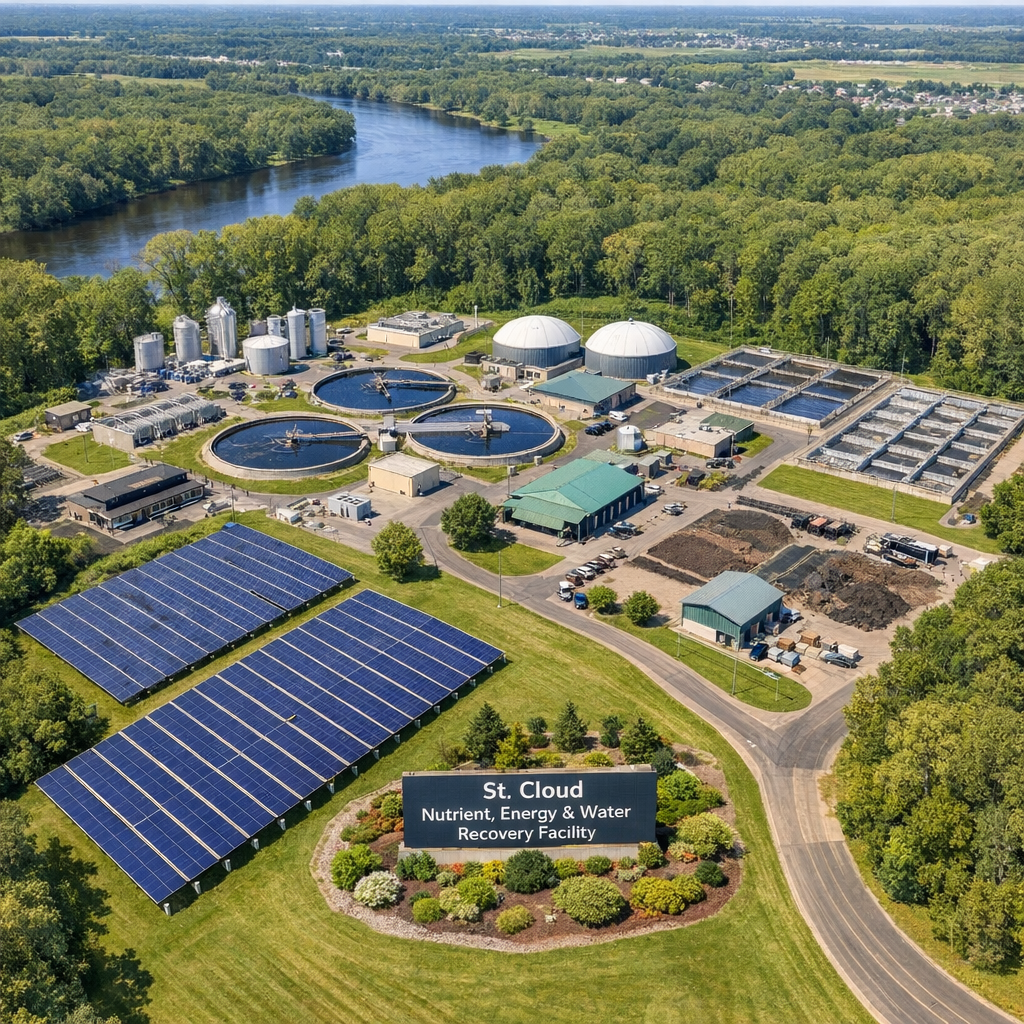
The city’s Nutrient, Energy, and Water Recovery Facility (NEW RF) exemplifies this commitment. Treating an average of 10 million gallons of wastewater daily, the facility operates at net-zero energy, even contributing surplus energy back to the grid. This achievement has garnered national recognition, including the 2021 Grand Conceptor Award from the American Council of Engineering Companies.
In addition, St. Cloud has installed Level 2 electric vehicle charging stations at Riverside Park, aiming to alleviate range anxiety and familiarize the community with electric vehicles. The city also plans to transition its municipal fleet to electric vehicles in the long term.
Innovative Waste Management
The city has introduced programs to convert waste into energy. A notable example is the initiative that collects residents’ cooking oils and transforms them into energy. Since its launch in April 2024, the program has processed approximately 876 pounds of cooking byproducts, generating about 5,000 kilowatt-hours of energy—enough to power an average household for half a year.
Water Conservation Efforts
St. Cloud has undertaken projects to improve water quality and reduce sedimentation in the Mississippi River. The Northeast St. Cloud Sediment Reduction Project addressed stormwater runoff from a 367-acre drainage area, implementing best management practices to reduce sediment loading into the river.
Furthermore, the city is piloting a mobile AirSCWO system to destroy per- and polyfluoroalkyl substances (PFAS) in wastewater. This marks the first operational use of such technology in the United States, aiming to eliminate these persistent chemicals from the water supply.
Looking Ahead
St. Cloud continues to prioritize sustainability through its Sustainability Framework Plan, which outlines a vision and goals across 17 best practice areas. By integrating policy, resources, and events, the city aims to make a global impact at a regional level, ensuring a sustainable future for its residents.